Driving in Europe in 2026: the checklist we run before every trip
Documents, mandatory equipment, vignettes, tolls and low-emission zones - the practical basics that keep a European road trip fine-free, in one place.

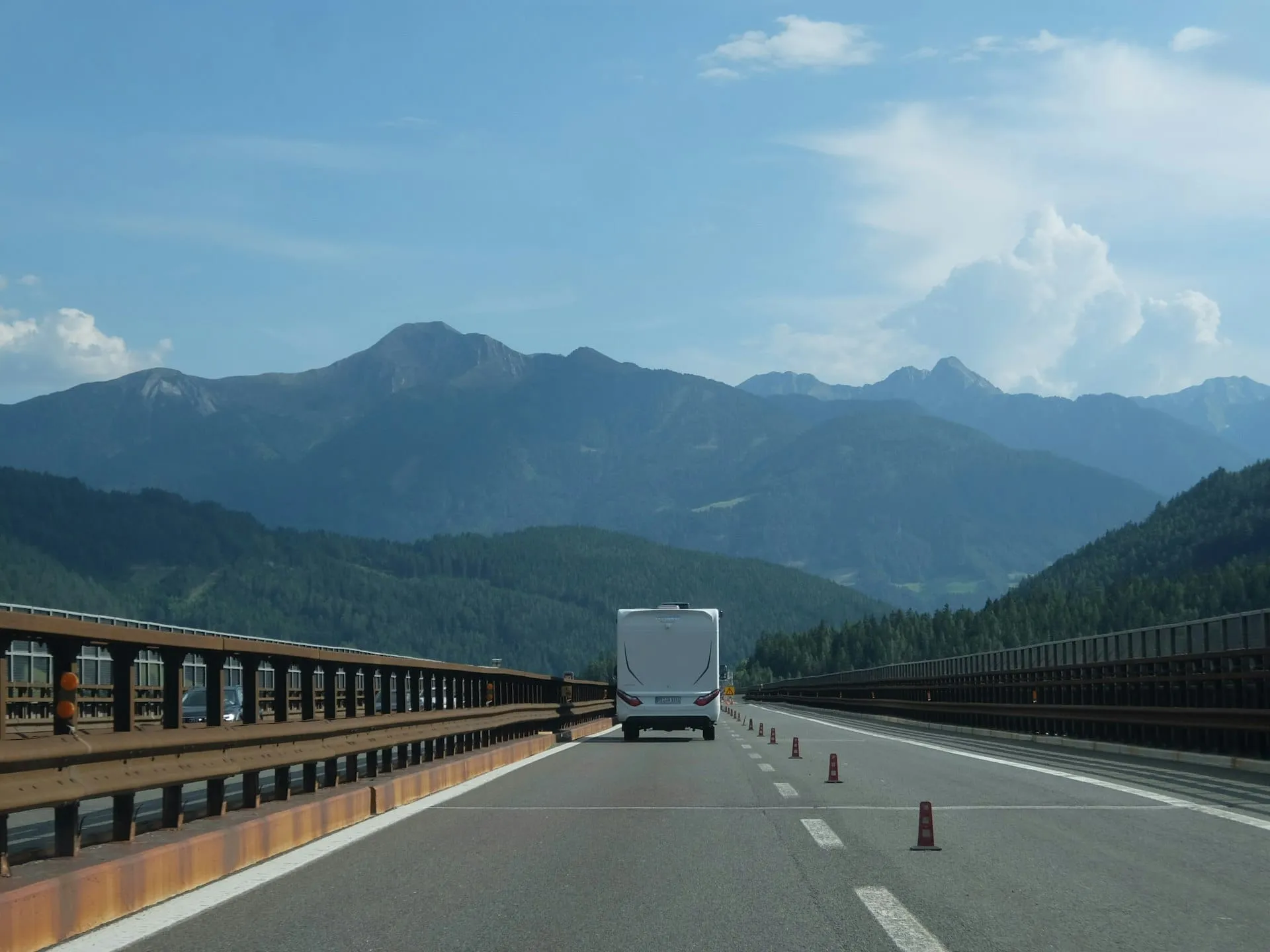
After eight years of crossing borders, most of what goes wrong on a European road trip is boring and preventable: a missing warning triangle, an unpaid vignette, driving into a low-emission zone you didn't know existed. None of it is hard once you know the pattern. This is the exact checklist I run through before we set off.
Documents to carry
Keep these in the car, not on your phone alone - some police checks still want to see the physical thing. For EU-registered cars driven by EU residents inside the EU, insurance travels with you automatically, but the paperwork still needs to be present.
- A full, valid driving licence for every driver.
- The vehicle registration document (V5C / carte grise / Fahrzeugschein).
- Proof of insurance; carry a Green Card if you leave the EU insurance area (e.g. for the UK, Balkans, Türkiye, Morocco).
- Your passport or national ID, and a UK/GB sticker if your plates don't show a country code.
Mandatory equipment
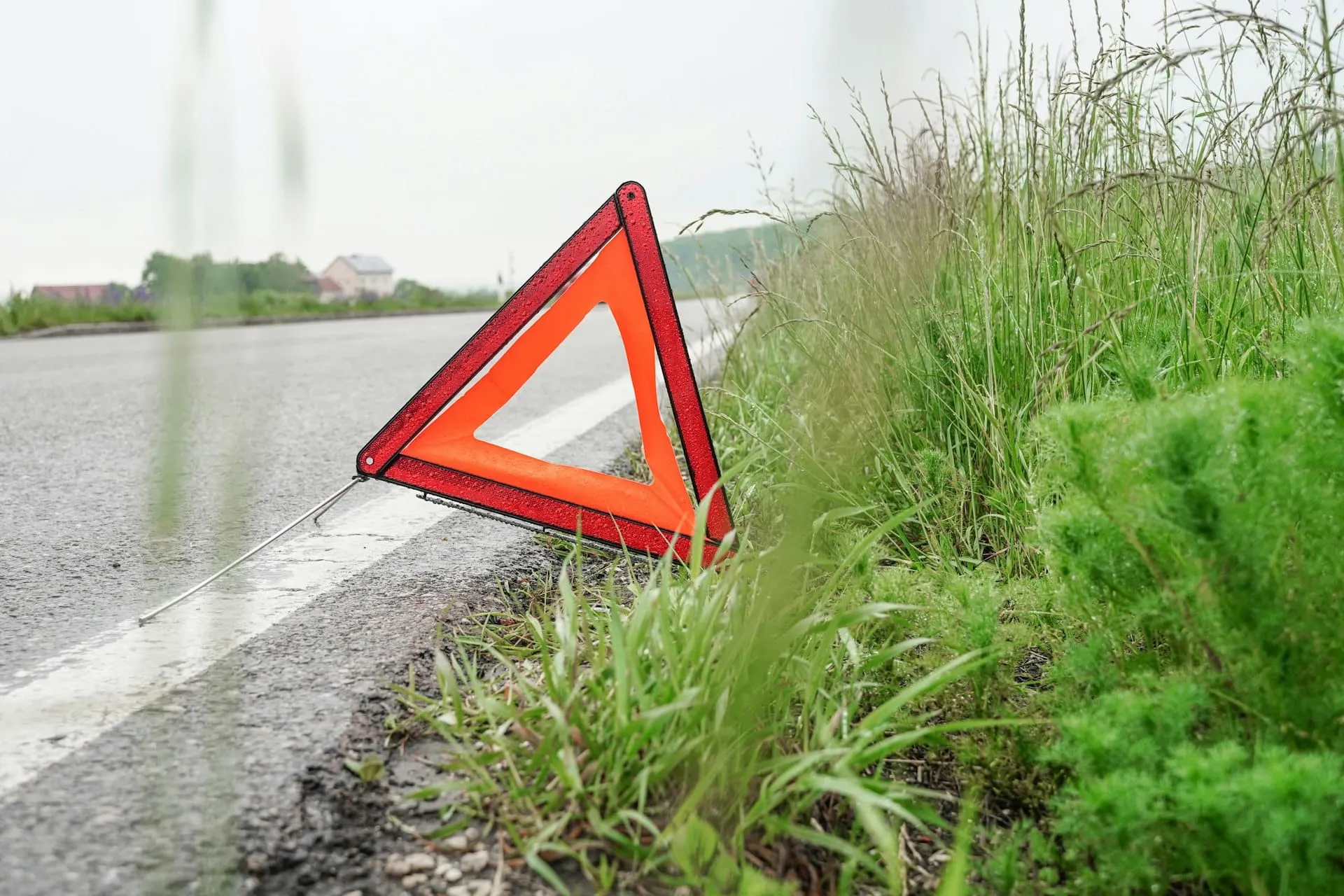
This is where fines are easiest to collect, because the rules differ by country and change. A reflective vest and a warning triangle are near-universal; France wants an unused breathalyser in theory; several Alpine countries require winter tyres or chains in the cold months. Carry the superset and you're covered everywhere.
Carry-at-all-times kit
- Reflective vest
- One per person, in the cabinMust be reachable without leaving the car (France, Italy, Spain…)
- Warning triangle
- At least oneTwo recommended; required across most of the EU
- First-aid kit
- Required in AT, DE and othersCheap; keep it in date
- Headlamp beam deflectors
- If driving a RHD car abroadOr adjust headlights so you don't dazzle oncoming traffic
Source: europa.eu + national motoring clubs (confirm per country)
Vignettes, tolls and clean-air zones
Three separate things people muddle. Vignettes are a time-based pass to use a country's motorways (Austria, Switzerland, Slovenia, Czechia, Hungary, Slovakia). Tolls are distance-based, paid at barriers or by camera (France, Italy, Spain, Portugal). Low-emission zones restrict older or dirtier vehicles in cities (Paris, Milan, most large German cities and dozens more). Buy vignettes before you cross the border, and check whether your car needs a city clean-air sticker for the towns you'll actually enter.
We keep a one-line note per country in our trip plan: vignette yes/no, toll yes/no, LEZ sticker yes/no. Ten minutes of admin at the kitchen table saves a very bad afternoon at a Milan ZTL camera.
Sources & further reading
We check the facts in this guide against official sources and note when we last updated it.
Questions we get asked
Do I still need a Green Card to drive in Europe?
Inside the EU/EEA insurance area an EU-registered, EU-insured car is covered automatically, so you don't need the physical Green Card between, say, France and Italy. You do need one for countries outside that area - the UK, much of the Balkans, Türkiye, Morocco and others. Your insurer issues it free; ask a couple of weeks ahead.
What's the difference between a vignette and a toll?
A vignette is a flat charge for a period of time (10 days, two months, a year) that lets you use a country's motorway network - you buy it once and drive as much as you like. A toll is charged by distance, at a barrier or by number-plate cameras, so you pay per journey. Some countries use one, some the other; a few use both.
How do I know if my car can enter a city?
Check the official Urban Access Regulations database for the specific cities on your route - it lists every low-emission and restricted zone in Europe, which vehicles are affected and whether you need to register or buy a sticker in advance. Do this per city, because a sticker for one country's zones rarely covers another's.
Keep reading
Practical
Tolls and vignettes in Europe, country by country
Which countries make you buy a sticker, which charge by the kilometre, and how we avoid paying twice - the paid-road map we wish we'd had on our first trip.

Seasonal
Winter road trips in Europe: what the Alps and the Arctic taught us
Winter tyres, chains and the small habits that keep a snowy European drive calm - the rules that vary by country and the technique that doesn't.
Practical
Road-tripping Europe in an EV: charging, apps and range reality
We crossed four countries in an electric car and lived on public chargers the whole way. Here is what actually works: the one plug that matters, the card that saves you money, and how far you really get between stops.